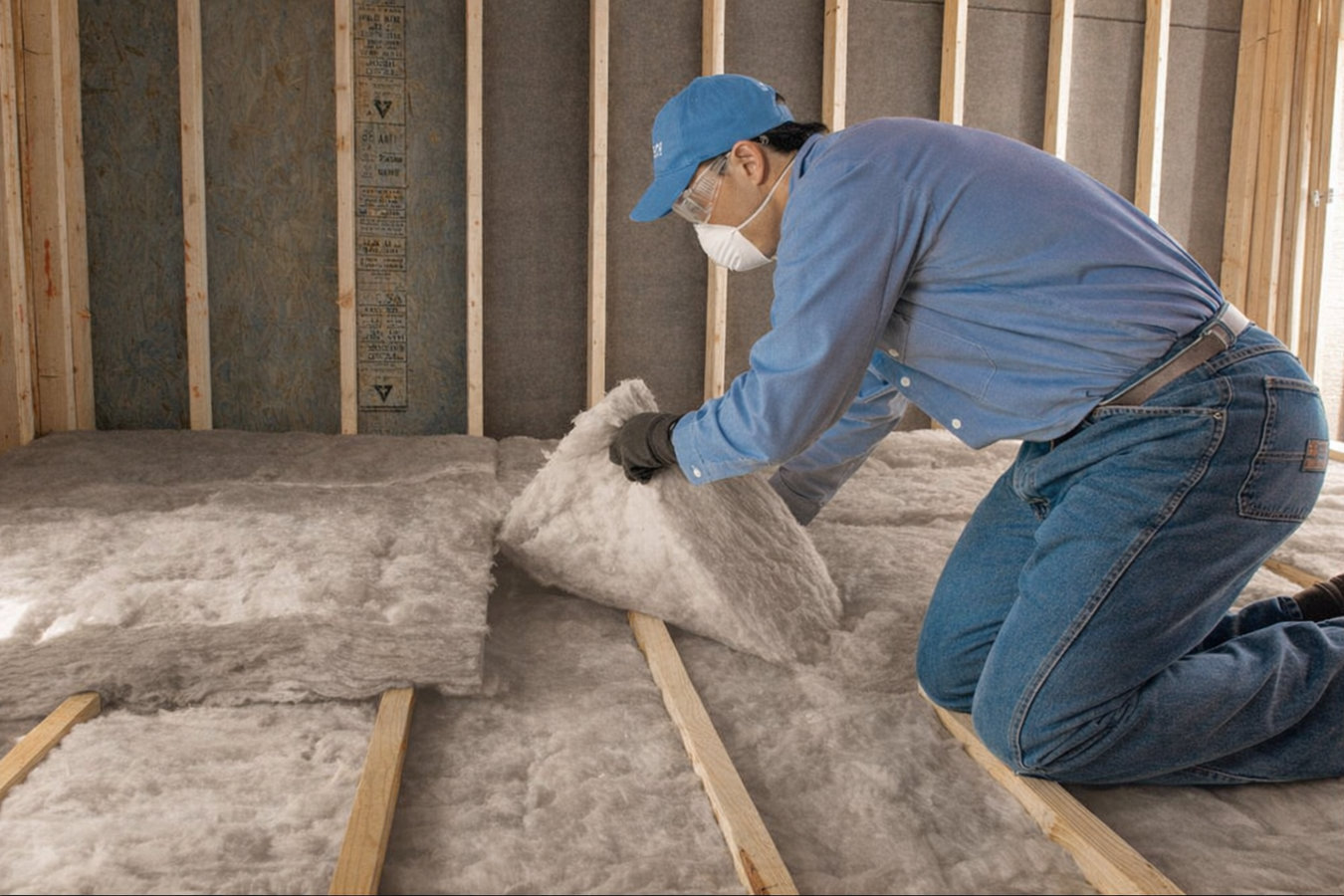
Old, damaged, or animal-contaminated insulation has to come out before your home can perform properly again. We remove it completely, haul it away, and leave the space ready for fresh material.
Insulation removal in Longview, TX uses industrial vacuum equipment to pull out old, damaged, or contaminated material from your attic or crawl space - most single-story homes are finished in one day, and all debris is hauled away by the crew.
Adding new insulation on top of compromised material does not fix the problem - it buries it. Once insulation has absorbed moisture, been saturated with animal waste, or simply degraded past the point of usefulness, it needs to come out entirely. This is especially common in Longview homes built between the 1960s and 1980s, where the original insulation has been through decades of East Texas heat and humidity.
After removal, many homeowners move directly into new installation. Our retrofit insulation service can often be scheduled for the same day or the day after, once the attic or crawl space is clean and dry.
Longview's wooded neighborhoods mean squirrels, rats, and mice regularly find their way into attics, especially in older homes with gaps around rooflines or vents. If you have heard scratching, seen droppings near your attic access, or noticed a persistent odor from above, your insulation has almost certainly been contaminated. Once animals have nested in insulation, it has to come out - there is no cleaning it in place.
East Texas humidity is relentless, and attic insulation that has absorbed moisture over time can develop mold that you notice as a musty smell in upper rooms or near ceiling vents. If the smell gets worse after rain or during humid stretches in spring and fall, that is a signal worth taking seriously. Mold in insulation does not go away on its own and will contaminate new material installed on top of it.
If you can safely peek into your attic and the insulation looks matted down, gray or brown instead of its original color, or thinner than a few inches, it has likely lost most of its effectiveness. Compressed or discolored material is a sign it has been there too long or absorbed moisture. New insulation should look full and fluffy - you do not need to be an expert to notice the difference.
If your electric bill has been noticeably higher over the past year or two - especially during Longview's long, brutal summers - and nothing else has changed, failing attic insulation is one of the first things to check. When insulation loses its ability to slow heat transfer, your air conditioner works harder and runs longer. This is one of the most common and overlooked signs that something is wrong above the ceiling.
We handle attic insulation removal, crawl space insulation removal, and full cleanup for contaminated spaces across Longview and surrounding East Texas communities. Our truck-mounted vacuum system pulls all loose-fill and batt material out through a hose routed directly to a sealed bag outside your home, keeping dust and debris out of your living space throughout the process. Every job includes hauling away all removed material - nothing is left on your property.
When removal is the result of animal activity, we also inspect for entry points and note any areas that need sealing before new insulation goes in. For homeowners planning to upgrade after removal, our crawl space insulation service can address the space immediately after cleanup. If the project involves replacing attic material as part of a broader home upgrade, ask about bundling removal with new installation for a streamlined timeline.
Best for homes with animal damage, mold, severe moisture saturation, or insulation that has fully degraded over decades.
Suited for pier-and-beam homes where floor joist batts have sagged, absorbed moisture, or been disturbed by pests.
Covers situations involving rodent waste or nesting material that requires thorough removal before new insulation can be safely installed.
For homeowners ready to start fresh - removal and new installation coordinated in one project to minimize disruption.
Longview sits in the Piney Woods region of East Texas, where summer humidity regularly climbs above 80 percent and temperatures stay above 90 degrees for months. That combination of heat and moisture is hard on attic insulation - it accelerates compression, encourages mold growth, and makes older insulation far less effective than it looks. Many Longview neighborhoods, including areas around Judson Road and Pine Tree, have homes built in the 1960s through 1980s where the original insulation may still be in place. If your home is in that age range and has never had insulation work done, the East Texas climate alone is reason enough to have it inspected.
Rodent pressure is also high in this region. The wooded surroundings that make Longview attractive mean squirrels, rats, and mice are a constant presence - and attic insulation is a prime nesting spot. This is one of the most common reasons homeowners in Kilgore and Henderson call for removal - and once contamination is confirmed, there is no shortcut. The material has to come out completely.
The EPA's guidance on mold and moisture is clear that covering contaminated material with new insulation does not eliminate the health risk. Removal is the only complete solution when mold or animal waste is present.
We respond within 1 business day. We ask a few questions - your home's age, approximate attic size, and whether you have noticed any moisture or animal activity - so we can come prepared. No commitment required.
A crew member inspects your attic in person before any work begins. We check the condition of the existing material, look for signs of contamination or moisture, and give you a written estimate. If anything unusual is present - like materials that may require special handling in older homes - we tell you before work starts.
The crew seals off your attic access point and runs a vacuum hose from a truck outside directly into the attic. All material is sucked out and bagged off-site. Most jobs take four to eight hours. You can stay home - the noise is the main disruption.
Once the insulation is out, the crew cleans the attic floor and takes photos of the finished space for your records. All bagged material is loaded and hauled away - nothing is left on your property. If new insulation is planned, we confirm the timeline for that next step.
We give you a written estimate after a real in-person inspection - no surprise charges when the job is done.
(430) 267-1839Every job includes disposal. All removed insulation is bagged on-site and loaded onto our truck before we leave. You are not left with piles of debris on your curb or bags stacked in your garage.
We inspect in person before we quote. The written number you receive before work starts is the number on your final invoice - unless something genuinely unexpected is found and explained to you before we proceed.
We photograph the attic or crawl space before and after the work. You see exactly what condition the space was in and what it looks like when we are done - so you are not taking our word for it.
Many Longview homes in areas like Pine Tree and the Judson Road corridor were built in the 1960s and 1970s. We know what to expect in attics this age and how to handle the materials found there - including identifying anything that may require special handling before removal begins.
The Insulation Contractors Association of America sets professional standards for this trade, and we hold our work to those standards on every job. If you have questions before committing to anything, call us - we would rather answer them upfront than have you second-guess the decision after.
After removal, a clean crawl space is the right time to upgrade to properly fitted insulation that holds up against East Texas humidity.
Learn moreRetrofit insulation adds performance to existing walls and spaces without a full tear-out - a natural next step once old material is cleared.
Learn moreThe sooner old or contaminated insulation comes out, the sooner your home starts working the way it should - call now to get on the schedule.