If your home is more than 20 years old and your AC runs constantly, thin or failing insulation is likely to blame. Retrofit insulation adds what is missing without tearing anything apart.
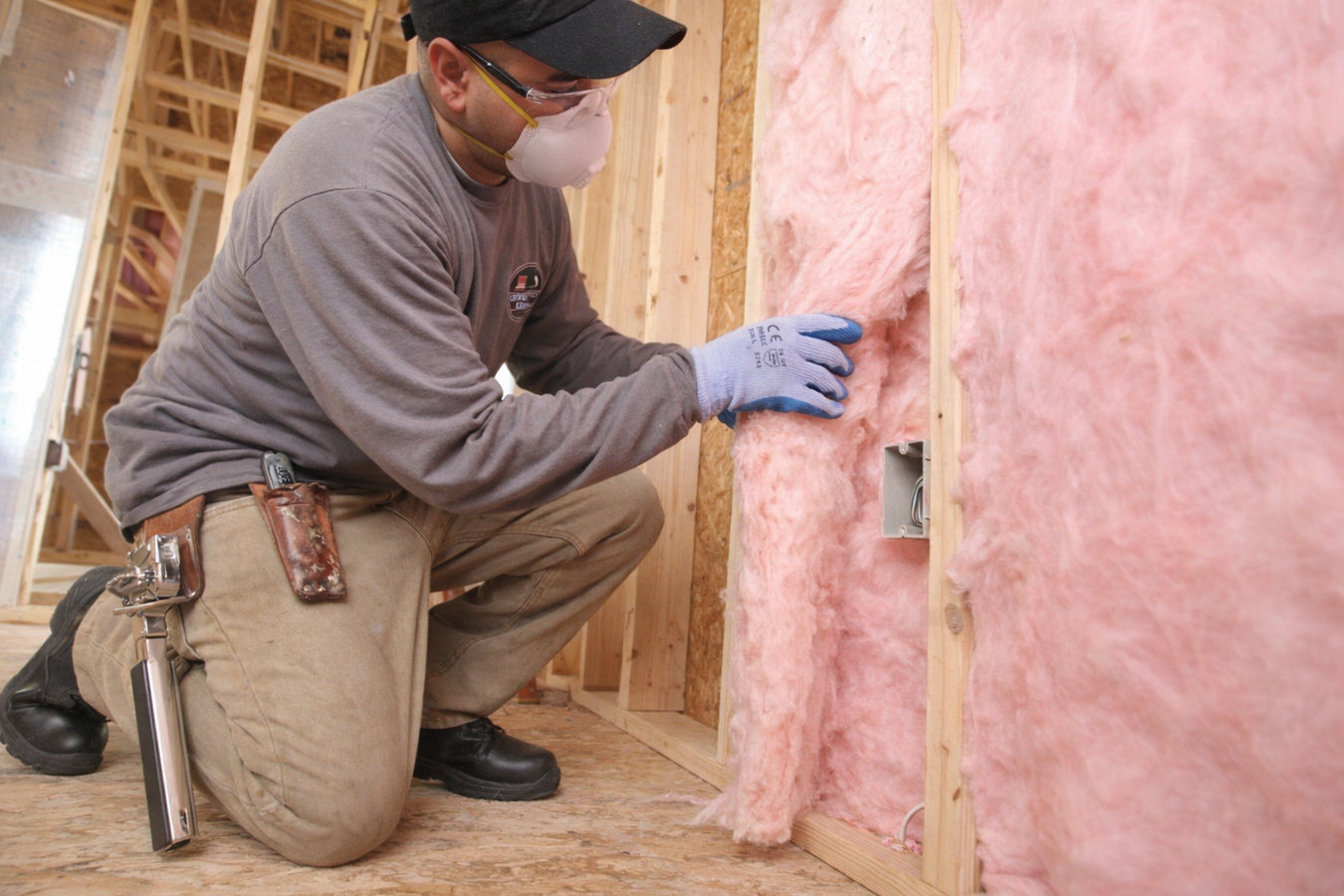
Retrofit insulation in Longview means adding blown-in fiberglass or cellulose to an existing home's attic or walls without demolition - most standard attic jobs are finished in a single day and produce results you can feel the next time the AC cycles on.
In Longview, the payoff from retrofit insulation is fastest in summer. Attics here can hit temperatures well above 130°F on a hot afternoon, and if the insulation between that attic and your living space is thin or compressed, that heat pushes straight down. Your AC runs harder, your electric bill climbs, and some rooms just never feel comfortable no matter what you set the thermostat to. Homes built before the mid-1990s - a large portion of Longview's housing stock - are often working with insulation levels that are well below what the U.S. Department of Energy recommends for East Texas today.
For homeowners who want the full picture on moisture protection alongside thermal upgrades, pairing retrofit insulation with a home insulation assessment covers every area of the house in one visit.
If your cooling costs from June through August seem out of proportion to the size of your home, poor attic insulation is one of the most common culprits. In Longview, where summer heat is relentless and AC systems run for months on end, a poorly insulated attic forces your system to work much harder than it needs to. If neighbors in similarly sized homes are paying noticeably less, it is worth having someone check your insulation levels.
If you have a bedroom directly under the roof line that stays noticeably warmer than the rest of the house even when the AC is running, thin or missing attic insulation is almost certainly the cause. The heat radiating down from an under-insulated attic on a 95-degree East Texas afternoon is intense, and no amount of thermostat adjusting fully compensates. This is one of the most common summer complaints from Longview homeowners.
Open your attic hatch and look down at the floor. If you can clearly see the wooden beams running across it, your insulation is too thin. A properly insulated attic in East Texas should have enough material that the floor joists are buried out of sight. This quick visual check takes less than a minute and tells you a lot about what you are working with.
Homes built in Longview before the 1990s were typically insulated to standards now considered well below what is needed for this climate. If you have lived in your home for years and never had an insulation assessment, you are likely running on whatever the original builder installed. In many cases, that is only a few inches in the attic - far short of the R-38 to R-60 the Department of Energy recommends for East Texas.
The most common retrofit job we do in Longview is attic blown-in insulation - adding fiberglass or cellulose on top of existing material to bring the depth up to the level the Department of Energy recommends for East Texas. Before any material goes in, we inspect the attic for air leaks at the penetrations around light fixtures, plumbing stacks, and HVAC boots, and seal them. Sealing first is what separates a retrofit that makes a real difference from one that just checks a box. For homes looking to address performance across the whole house, this work pairs well with our commercial insulation capabilities for business owners, and with home insulation assessments that cover every zone of a residential property.
Wall insulation retrofit is available for homes where the walls themselves are under-insulated - a common situation in Longview's older brick ranch homes. The process involves drilling small holes, blowing in dense-pack material, and patching the holes smooth. It is more involved than attic work, but for homes where walls have no insulation at all, the comfort improvement can be dramatic. We walk you through what to expect before we start so there are no surprises.
The most cost-effective retrofit option for most Longview homes - adds blown fiberglass or cellulose to bring attic depth up to DOE-recommended levels for East Texas.
Best for homes with significant air leaks around fixtures and penetrations - sealing first makes the new insulation dramatically more effective.
For older homes where wall cavities have little or no insulation - reduces heat transfer through exterior walls and improves room-to-room comfort.
A comprehensive upgrade for homes that need both areas addressed - coordinated in a single visit to minimize disruption.
Longview sits in East Texas, where summer temperatures regularly climb above 95°F and the combination of heat and humidity makes air conditioning run almost continuously from May through September. A large share of Longview's housing stock was built between the 1950s and the 1980s - and those homes were insulated to standards that are now considered well below adequate for this climate. The ENERGY STAR program estimates that properly air sealing and insulating a home can save an average of 15% on total heating and cooling costs - and in a climate like Longview's, where cooling alone accounts for a large share of annual energy use, that savings adds up to real money over the years you live there. AEP Texas, which serves Longview, has also historically offered rebate programs for insulation upgrades - a potential offset worth asking about when you schedule your estimate.
We serve communities across this part of East Texas, including homeowners in Kilgore and Palestine, where older housing stock and the same summer heat patterns make retrofit insulation one of the highest-return upgrades available. Whether your home is a 1960s brick ranch or a more recent build that was under-insulated from the start, the assessment process is the same: we look at what is there, tell you what is needed, and give you a written quote with no pressure attached.
We will follow up within one business day to ask a few basic questions - your home's approximate size, when it was built, and what is prompting your call. You do not need all the answers yet; just describe what you are experiencing and we take it from there.
We come to your home and inspect your attic - checking current insulation depth, looking for air leaks, and assessing ventilation. This visit takes 30 to 60 minutes and ends with a written estimate that details the material type, installation depth, and total cost.
You will receive a written quote that spells out exactly what is included. This is the right moment to ask about AEP Texas rebates, project timing, and cleanup expectations. We do not pressure you to commit on the spot - a good contractor expects questions.
For most attic jobs, the crew sets up blowing equipment outside, runs a hose to the attic hatch, and installs the material in a few hours. We lay protective coverings near the access point, and before we leave we show you the finished depth and clean up the work area.
We come to you, check what you actually have, and give you a written quote. No pressure, no obligation - just honest information about what your home needs.
(430) 267-1839We cover Longview and 11 surrounding communities including Tyler, Marshall, Nacogdoches, and Texarkana. That range means we understand the local housing stock - the brick ranch homes, the pier-and-beam foundations, and the insulation conditions that come with decades of East Texas summers.
A lot of contractors skip air sealing because it adds time. We do it as a standard step before the insulation goes in, because sealing penetrations and gaps first is what makes the installed R-value actually perform as advertised. It is the difference between insulation that tests correctly and insulation that you can feel.
Every quote we provide names the exact material being used, the depth it will be installed to, and whether air sealing is included. You should never accept a verbal quote for insulation work - you cannot verify vague promises, and you have no recourse if the result falls short. We put it in writing because that protects both sides.
We never add insulation on top of an unknown condition. If there is moisture damage, pest activity, or a ventilation problem in your attic, we find it and tell you about it before any material goes in. The{' '}<a href="https://www.bpi.org/" target="_blank" rel="noopener noreferrer" className="text-primary underline underline-offset-2">Building Performance Institute</a>{' '}calls this the right approach for good reason - insulating over a hidden problem just buries it deeper.
These are not claims we make from a brochure - they are the steps we follow on every job, because they are what makes a retrofit insulation project actually perform in Longview's climate. When you call us, you get the same process whether your home is 1,200 square feet or 3,500.
For business owners and building managers in Longview who need insulation upgrades on commercial properties - a different scope than residential retrofit work.
Learn moreA full-home insulation review covering every area of your house - attic, walls, floors, and crawl space - for homeowners who want a comprehensive assessment.
Learn moreSpring booking slots fill up fast as Longview summers arrive - call now or submit a form to lock in your assessment before the busy season pushes out your start date.