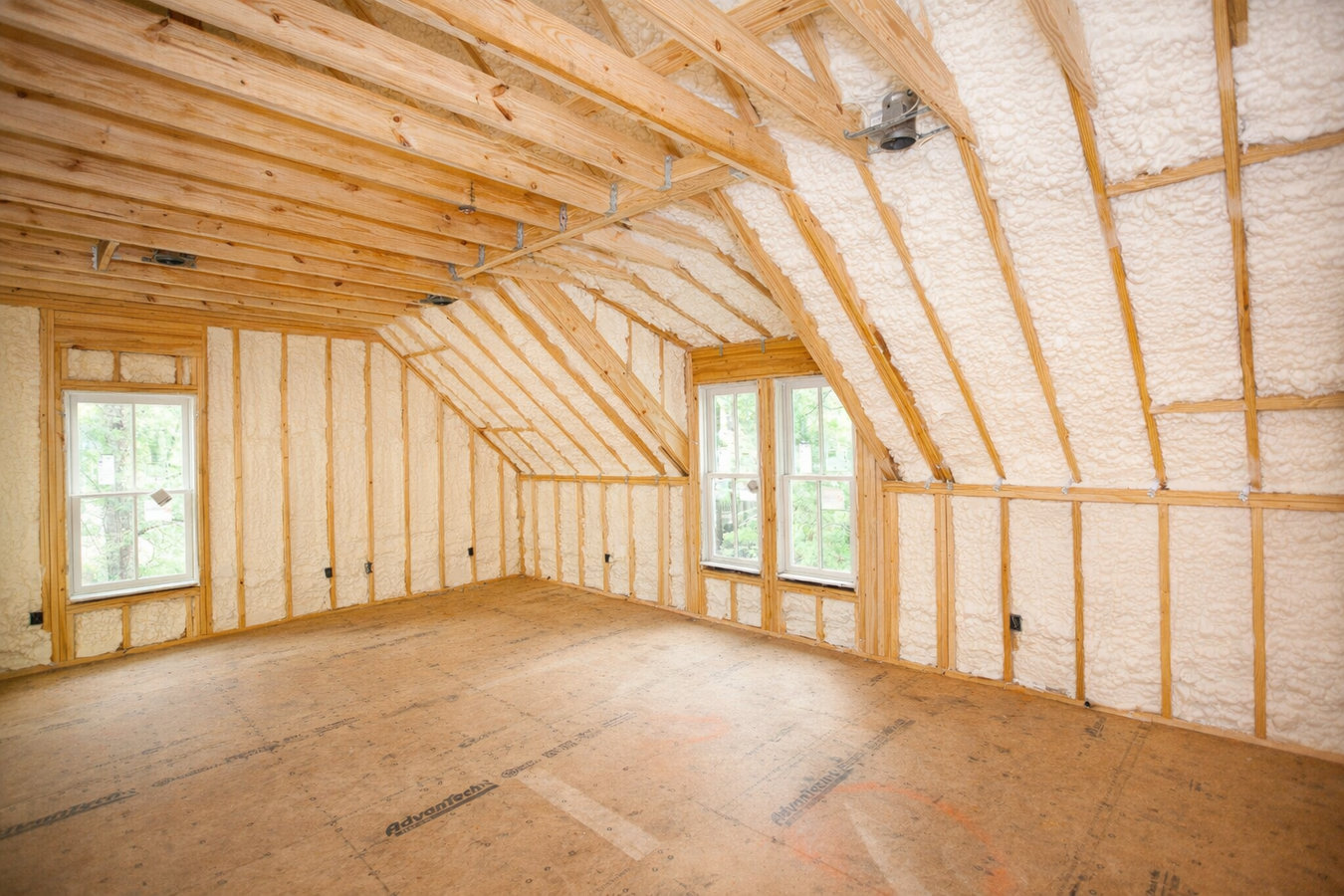
One material seals every air leak and insulates at the same time - so your air conditioner stops fighting East Texas heat and humidity pouring through every gap in your home.
Open-cell foam insulation in Longview, TX is a soft, expanding spray material that fills wall cavities, attic rafters, and crawl spaces - sealing air leaks and adding insulation in a single pass. Most residential jobs are completed in one day, with the foam cured and the space ready for re-entry within 24 hours.
Unlike fiberglass batts, open-cell foam sticks to every surface it touches and seals gaps around wiring, plumbing, and framing that batts leave open. That air-sealing function is what makes it especially effective for Longview homes where summer heat and East Texas humidity find every crack. Homes built before 1990 - which make up a large share of Longview's housing stock - are where the improvement tends to be most dramatic.
Open-cell foam is often paired with attic air sealing for a comprehensive approach that addresses both heat transfer and air movement in one project.
If your Longview home's cooling costs feel out of proportion to its size - or if neighbors in similar homes pay noticeably less - poor insulation and air leaks are the most common cause. When your attic is not sealed, your air conditioner is essentially trying to cool the outdoors. This is especially common in homes built before 1990 in Longview's older neighborhoods.
If bedrooms or living spaces on your top floor feel significantly warmer than downstairs rooms even with the AC running, heat is radiating down from an attic that is not properly insulated. In Longview summers, attic temperatures can reach extreme levels and push through the ceiling all afternoon and into the evening.
East Texas humidity is relentless, and if your home has gaps in the building envelope, that outdoor moisture is constantly finding its way inside. A musty or heavy indoor feeling - especially near exterior walls or over a crawl space - often means humid air is infiltrating through unsealed areas.
Homes in Longview with crawl spaces built on clay soil can develop moisture problems underneath the floor system, especially after wet seasons. If floors feel soft near exterior walls or carry a faint musty smell from vents, moisture is likely accumulating in the crawl space below.
We install open-cell spray foam in attics, crawl spaces, and wall cavities across Longview and surrounding East Texas communities. For attic applications, we typically spray foam directly onto the underside of the roof deck - creating a conditioned, sealed attic space that keeps humid outdoor air out and your cooled air in. This approach is more effective than simply laying insulation on the attic floor because it seals the air pathway at the source rather than just slowing heat transfer. In existing homes with finished walls, we use drill-and-fill injection foam to get material into closed cavities without opening up your drywall.
For homeowners trying to decide between foam types, we also offer spray foam insulation consultations that compare open-cell and closed-cell options side by side for your specific home and budget. Both are effective - the right choice depends on your priorities for R-value per inch, moisture control, and cost. We walk every homeowner through those trade-offs before recommending anything.
Best for homeowners who want a fully sealed, conditioned attic that stops heat and humidity at the roofline.
Ideal for Longview homes on clay soil where ground moisture migrates upward into the floor system.
Suited for existing homes with finished walls that need insulation added without opening up drywall.
Best for homeowners comparing foam types and wanting a clear, honest recommendation for their specific situation.
Longview sits in East Texas where summer temperatures regularly climb above 95 degrees and the heat index pushes well past 100 degrees for weeks at a time. Attics in this climate can reach 140 degrees on a hot afternoon, and that heat radiates down into living spaces all evening long. Open-cell foam applied directly to the roof deck attacks that heat load where it enters - at the roofline - rather than simply slowing it down at the ceiling. The humidity factor matters just as much. East Texas averages around 75 to 80 percent relative humidity through much of the year, and open-cell foam's air-sealing action stops humid outdoor air from infiltrating through every gap and crack in the building envelope.
Many homes in Longview's established neighborhoods - including areas near Judson Road and older subdivisions built in the 1960s through 1980s - were built when insulation standards were far below what is recommended today. We regularly serve homeowners across Tyler and Nacogdoches where the same East Texas climate and older housing stock conditions apply. Longview's clay-heavy soil also keeps crawl spaces damp long after rain events, making crawl space foam applications especially valuable in this region.
The U.S. Department of Energy recommends attic R-values between R-38 and R-60 for homes in the South - a threshold many older Longview homes fall well short of with their original insulation still in place.
We will ask a few basic questions about your home - size, area to be insulated, and whether any prior work has been done. Most Longview homeowners hear back within one business day, and we schedule a free in-home estimate rather than quoting over the phone.
A contractor walks your attic, crawl space, or wall areas to see what is actually there - existing insulation depth, air leak locations, and any moisture issues. You get a written estimate explaining what was found and what the work will cost, with no obligation to proceed.
Before the crew arrives, clear access to the work area and plan for your family and pets to be out of the home for at least 24 hours after spraying. Your contractor will confirm the re-entry window in writing so there is no guessing.
The crew sprays the foam, which expands within seconds to fill every gap and corner. After curing, we do a walkthrough to show you the coverage depth and confirm every area discussed was addressed before we consider the job complete.
Free estimate. No obligation. We tell you what we find whether you hire us or not.
(430) 267-1839We understand Longview's specific combination of extreme summer heat and high year-round humidity. That means we assess moisture management before recommending foam type - not every contractor does, and skipping that step can create problems in East Texas's humid climate.
Every open-cell foam job comes with a clear, written re-entry window before work begins - not a verbal estimate after the fact. You know exactly when your family can return, and we stand behind that timeline.
Before we close up any space, we walk you through the finished foam to show you coverage depth and confirm all agreed areas were addressed. You are not taking our word for it - you can see it.
From Longview to communities across East Texas, we have installed open-cell foam in homes across a wide range of ages and construction types. That breadth of local experience means fewer surprises on your job.
Open-cell foam is one of the more demanding insulation applications - the chemistry, re-entry safety, and moisture management in a humid climate all require a contractor who knows what they are doing. The Spray Polyurethane Foam Alliance sets industry standards for installation and safety that we follow on every job in Longview and across East Texas.
Dedicated attic air sealing targets every gap and bypass in your attic floor - a natural complement to open-cell foam in the roof deck above.
Learn moreExplore all spray foam options, including how open-cell and closed-cell compare for different areas of your Longview home.
Learn moreLongview's cooling season is long - the sooner your home is sealed and insulated, the sooner you stop paying for air you are losing every day.